Hello folks, today I want to share my honest feedback on the eJPT course and an evaluation of the exam itself. Let's dive in.
What is the eJPT?
The eJPT is one of the most popular entry-level certifications among cybersecurity enthusiasts. It's offered by INE (formerly eLearnSecurity), and what makes it stand out for junior testers is the methodology: the course combines practical, hands-on labs with solid theoretical foundations. It covers all the essential fundamentals of penetration testing without overwhelming you.
The course is divided into four modules. Let's break them down.
Assessment Methodology
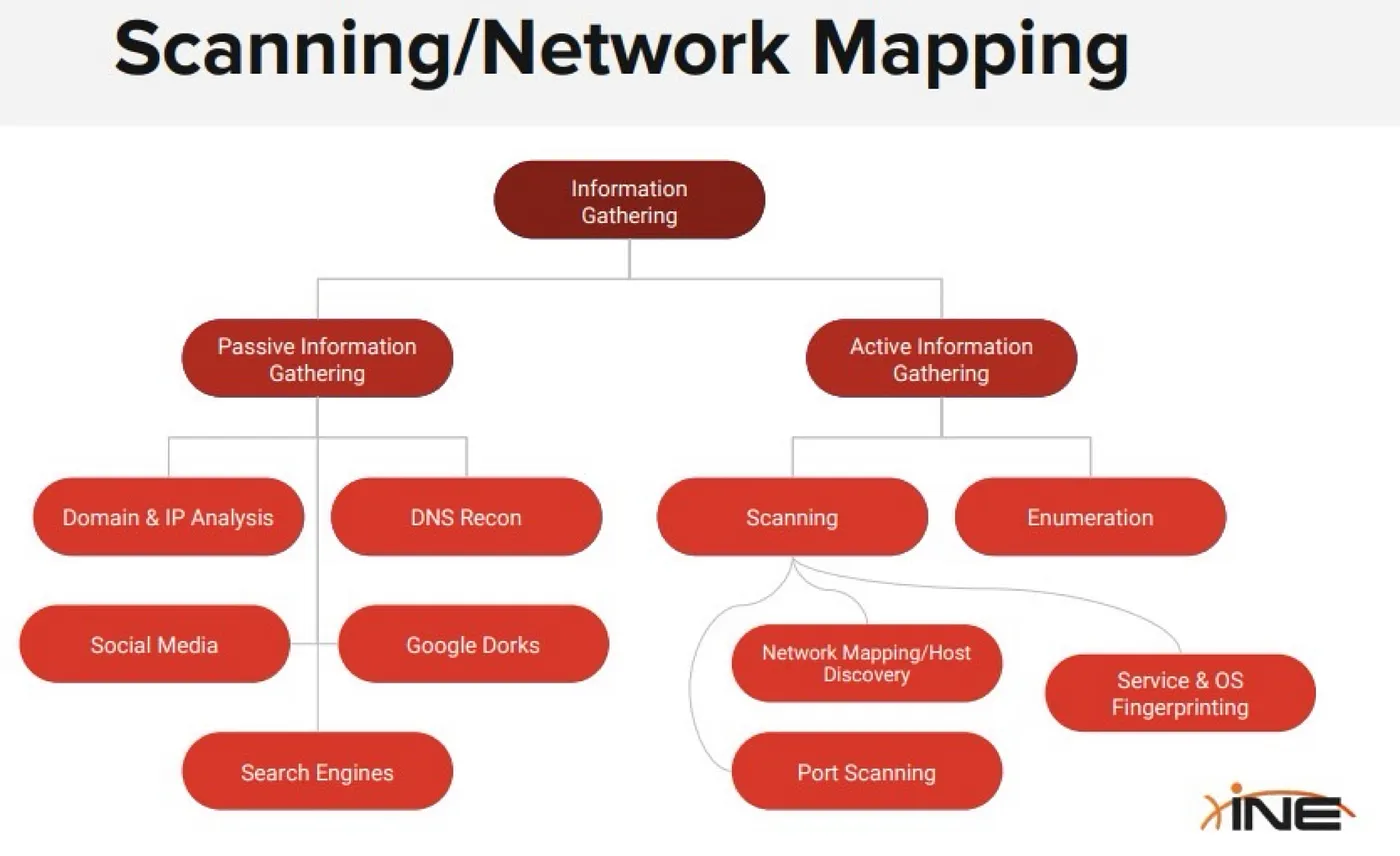
The first module covers information gathering — both active and passive. You'll learn how to collect information about a target system using tools like Netcraft, Dig, Whatweb, Whois, dnsenum, and Nmap. From there, you'll explore the target through enumeration techniques to build a complete picture of the attack surface, and finish with vulnerability detection and assessment.
Host and Network Auditing
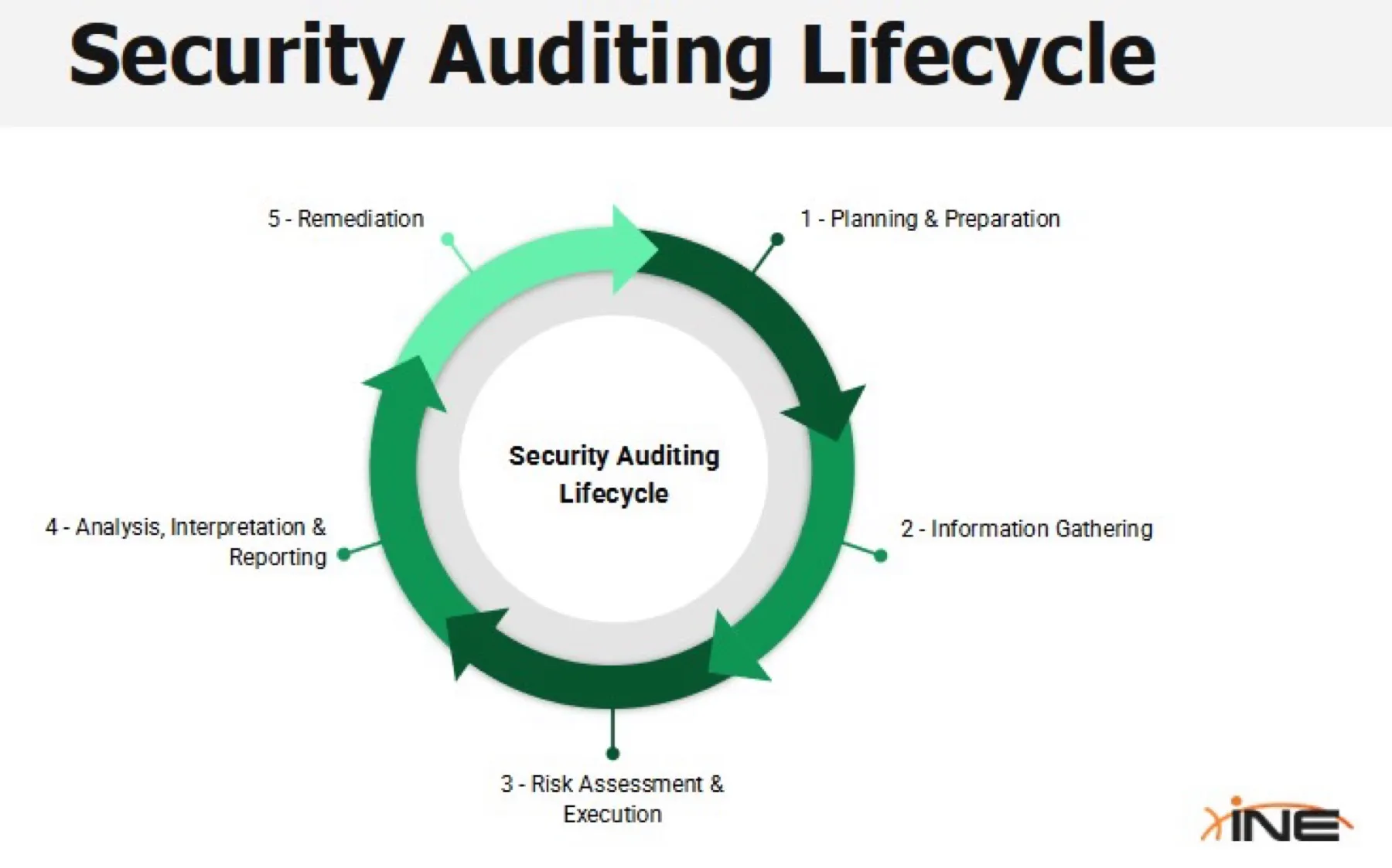
This module teaches you how professionals think about exploiting services and misconfigurations through systematic investigative processes and analysis. It builds the analytical mindset before the technical execution.
Host and Network Penetration Testing
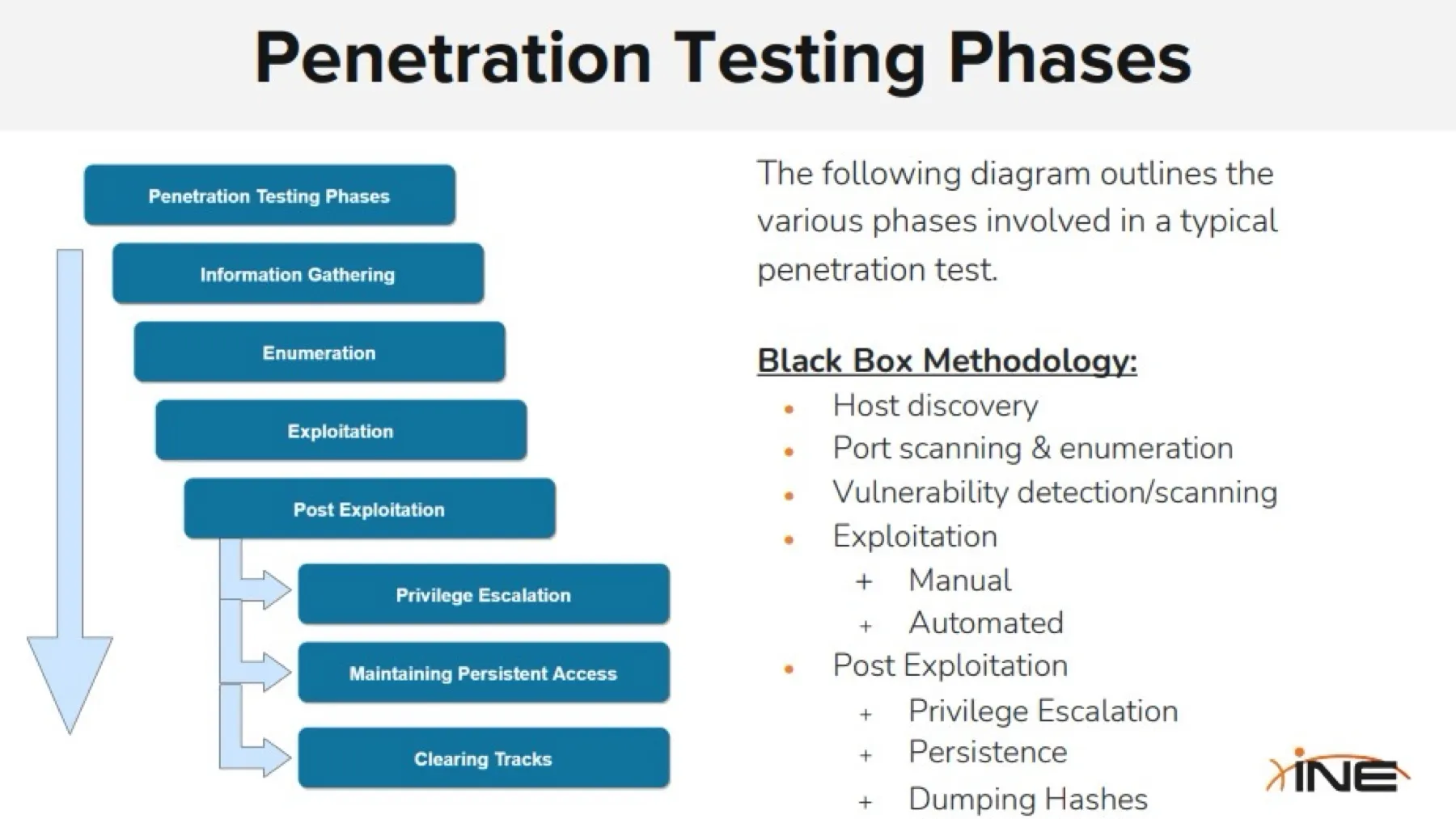
When I sat the eJPT exam, more than 70% of the questions came from this module. The primary focus is exploitation — and a huge portion of it revolves around the Metasploit Framework (MSF), a tool that lets you scan, enumerate, exploit, and pivot across systems. My favorite section was post-exploitation: privilege escalation techniques, lateral movement, and pivoting. That's where it gets genuinely interesting.
Web Application Penetration Testing
Web applications sit at the core of modern cybersecurity. This module gives you a solid foundation in web protocols, common threats and vulnerabilities, and web application architecture — enough to start thinking offensively about the applications you interact with every day.
The cost of the exam
The eJPT exam costs $200. For what you get — a comprehensive course, practical labs, and a recognized entry-level certification — I consider it a worthwhile investment for anyone starting a career in penetration testing.